Performance Max vs Search Campaigns for Home Services: Where Your Ad Budget Quietly Disappears
You log into Google Ads, look at the account, and the numbers seem fine. Conversions are up. Cost per conversion is reasonable. Then you look at your calendar and there aren't more jobs on it than there were last quarter.
For home service businesses, that gap has a specific and very common cause: Performance Max. It's Google's most aggressively promoted campaign type, your rep almost certainly recommended it, and for a local contractor it is one of the easiest places in the entire ad account for budget to disappear without any obvious sign that it's happening.
This isn't an argument that Performance Max never works. It's an argument that most contractors are running it in the one configuration where it can't be evaluated — and that the alternative is usually simpler than what they're doing now.
What the two campaign types actually are
Search campaigns put text ads in front of people typing something into Google. You choose keywords. You see the search terms that triggered your ads. You know what you paid for and what it produced.
Performance Max takes a budget, a set of assets — headlines, descriptions, images, video — and a conversion goal, and distributes across Search, Display, YouTube, Gmail, Discover, and Maps. Google's automation decides placement, audience, and creative combination.
For an ecommerce brand with a product feed and thousands of daily conversions, that automation has enough signal to optimize well. For a roofing company doing thirty leads a month in one metro, it usually does not.
Where the budget quietly disappears
1. Display and YouTube absorb spend that looks like performance
Search inventory in a single service area is finite. There are only so many people searching "water heater replacement near me" in your county today. Performance Max has a budget to spend and will find somewhere to spend it — and Display and YouTube impressions are effectively unlimited and far cheaper.
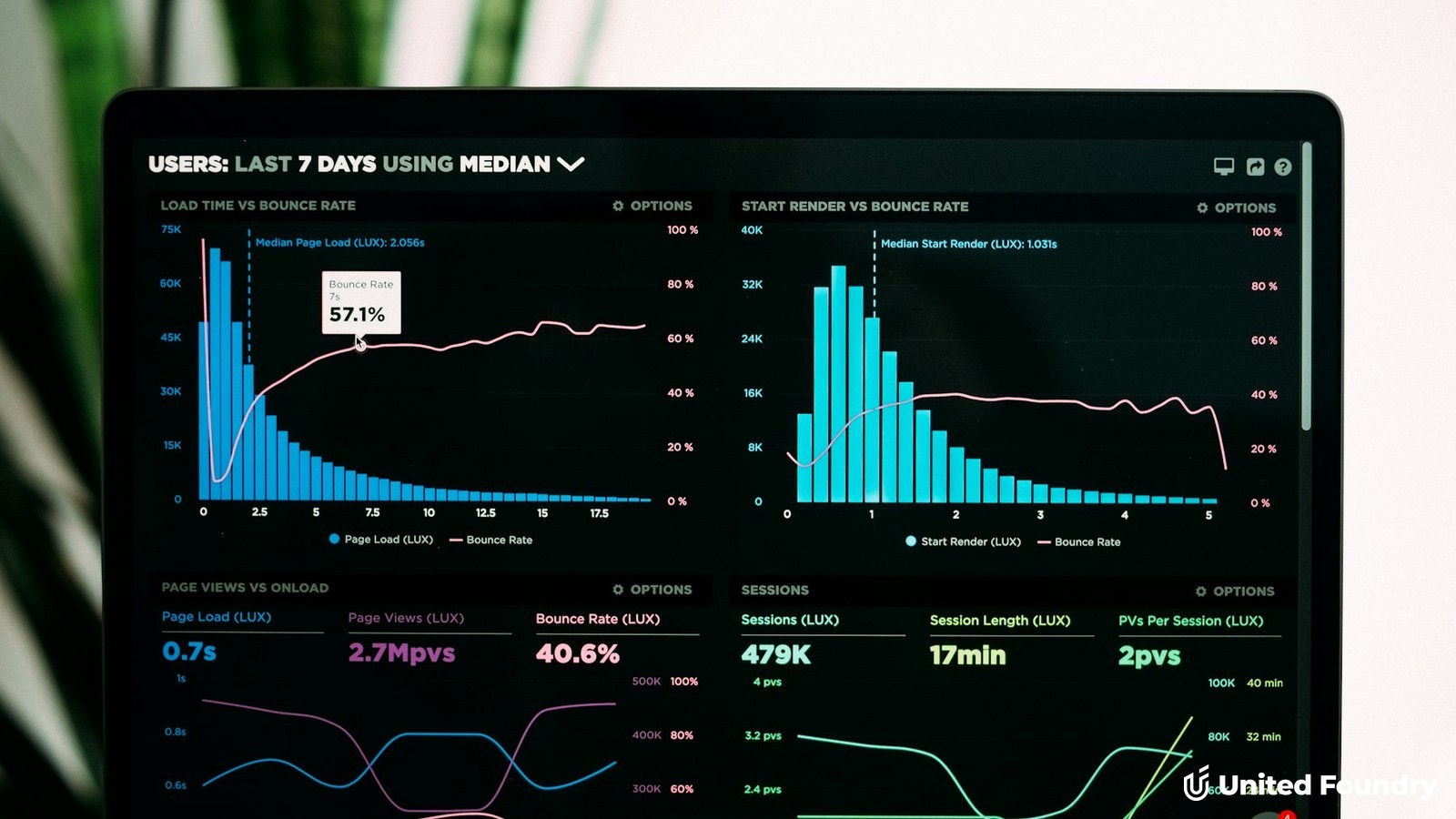
So a meaningful share of your budget goes to display placements and video views. Those channels generate view-through and engaged-view conversions, which get credited back to the campaign. Your dashboard shows conversions. Your phone doesn't ring more.
2. Brand searches get counted as new demand
Performance Max will happily serve ads to people searching your company by name. Those people were already going to find you. They convert at a very high rate, which makes the campaign's numbers look excellent and pulls more of the automated budget toward the cheapest, easiest conversions in the account.
You end up paying for traffic you already had. There are situations where bidding on your own name is defensible — we worked through the math in that discussion and it hinges on whether competitors are bidding on you — but it should be a deliberate decision in its own campaign, not an invisible line item inside an automated one.
3. "Conversions" often aren't jobs
If your conversion actions include page views, button clicks, form starts, or every phone call regardless of duration, Performance Max will optimize toward whichever of those is cheapest and most abundant. Automation is extremely good at finding the easiest version of the goal you gave it.
Give it a goal of "form submissions" and it will find people who fill out forms. Whether those people own a home in your service area and have a project is a different question — and it's the question your conversion tracking may not be asking. This is the same failure mode behind leads that ghost you.
4. You can't see the search terms
This is the structural problem. Performance Max reporting shows "search themes" and category-level groupings rather than actual queries. You cannot pull a full search terms report, which means you cannot see that you paid for "how to fix a leaking faucet" and "plumber salary" and "plumbing apprenticeship near me."
In a Search campaign you'd find those in the report and add them as negatives in about five minutes. In Performance Max you can't find them, so you can't exclude them, and you keep paying.
5. It competes with your own campaigns
Performance Max generally takes priority over standard Shopping and can absorb traffic that your Search campaigns would have captured — often at a higher cost, since it's bidding on the same auctions with different data. Running both without careful structure means your two campaigns are frequently bidding against each other.
What usually works better for home services
For most local contractors, the budget order looks like this:
1. Local Services Ads first. Pay per lead rather than per click, appear above everything else, and carry the Google Guarantee badge. For most home service categories this is the highest-intent inventory available. Details on qualifying and approval timing in the Google Guarantee badge walkthrough, and on managing spend in the LSA call recording loop.
2. Tightly structured Search campaigns second. Exact and phrase match on your money terms. A real negative keyword list, reviewed weekly at first. Location targeting set to "presence" rather than "presence or interest." Ad schedules aligned to when your office can actually answer. Call extensions and call-only ads for mobile, since a large share of emergency service searches convert by phone or not at all.
3. Performance Max third, and only under conditions. Enough conversion volume for the machine learning to have signal — realistically 30+ genuine conversions per month. Conversion tracking that fires on qualified leads, not page views. Brand terms excluded through account-level negatives. Enough budget that it isn't cannibalizing your Search campaigns. And a willingness to judge it on booked jobs rather than on the platform's conversion column.
How to check your own account this week
- Open your conversion actions. Which ones are set as primary? If page views or unqualified clicks are in there, that's what you're buying.
- Segment by network. In the Performance Max campaign, look at how spend splits across Search, Display, and Video. A heavy Display and YouTube tilt on a local service account is the tell.
- Look at brand versus non-brand. Pull the asset group and search theme reporting you do have and estimate how much of your conversion volume is people who typed your company name.
- Compare against the calendar, not the dashboard. Take the campaign's reported conversions for last month and hold them next to actual booked jobs. That ratio is the only number that matters. If you can't produce it, that's the real finding — and it's the same discipline behind close-rate math.
The test worth running
If you're currently spending most of your Google budget in Performance Max, take a month and move that budget into LSA plus a tightly built Search campaign. Keep everything else constant — same landing pages, same intake process, same follow-up.
Then compare booked jobs, not conversions. Most contractors we've run this with find the same thing: fewer conversions in the interface, more actual work on the schedule. That's not automation failing. It's automation optimizing precisely toward the goal it was given, on a channel mix that rewards volume over intent.
Whichever way the test lands, it also exposes what happens after the lead arrives — which is usually where more revenue is hiding than in the ad account. See missed-call text-back and the 7-touch estimate follow-up sequence.
Not sure where your ad budget is actually going? Talk to United Foundry — we'll pull the account apart with you and show you the spend-to-booked-job path, line by line.